
10 Conscious Alternatives to Amazon for Ethical Shopping
Amazon Prime Day promises convenience. These alternatives offer something increasingly rare: a chance to shop with intention.

Time to Read: 5 min

We’re now at a point in time where convenience takes precedence. Years of ‘same-day shipping’ marketing being ingrained in consumers’ heads have made Amazon a $2.5 trillion company. Where it’s been a financial blessing for some independent sellers, Amazon’s exploitation of collective exhaustion and the need for immediate gratification has caused extreme social and environmental harm. Increasing transportation pollution to the tune of 75% from 2019-2023 alone, producing an estimated 599 million pounds of plastic packaging per year, generating 68.25 million tons of carbon dioxide emissions, regularly disposing unsold and returned goods—the sensationalized global retailer continues to have mounting unfulfilled sustainability promises.
These are all side effects of Amazon and its compelling shipping options that its over 300-600 million users may not be aware of before clicking purchase. With approximately 82.5% of these users being subscribed to Amazon Prime, it’s not shocking that these negative environmental impacts increase during Amazon Prime Day. In an effort to combat that, here’s a compiled list for consumers who might be too busy or exhausted to research conscious alternatives:
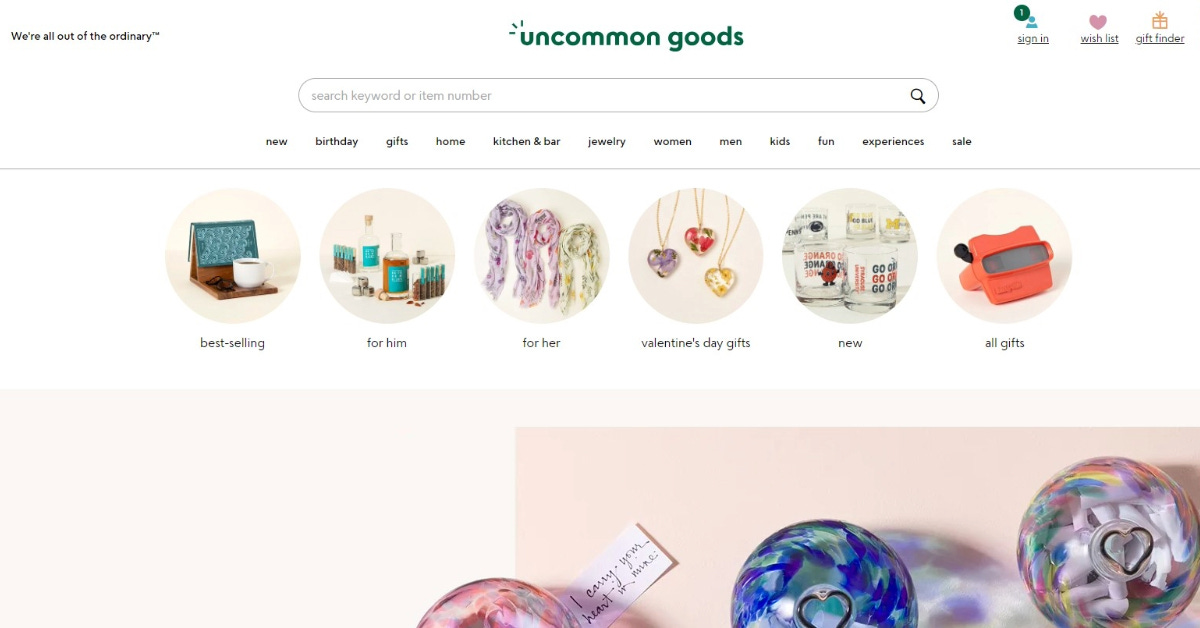
1. Uncommon Goods
Uncommon Goods is a certified B Corporation that specializes in unique gifts created by independent artists and small businesses. Unlike the endless scroll of mass-produced products found on Amazon, the marketplace focuses on creativity, craftsmanship, and transparency. From handmade home goods to thoughtful experiences, it offers consumers an opportunity to support makers while finding gifts that feel far more personal than another last-minute Prime purchase.
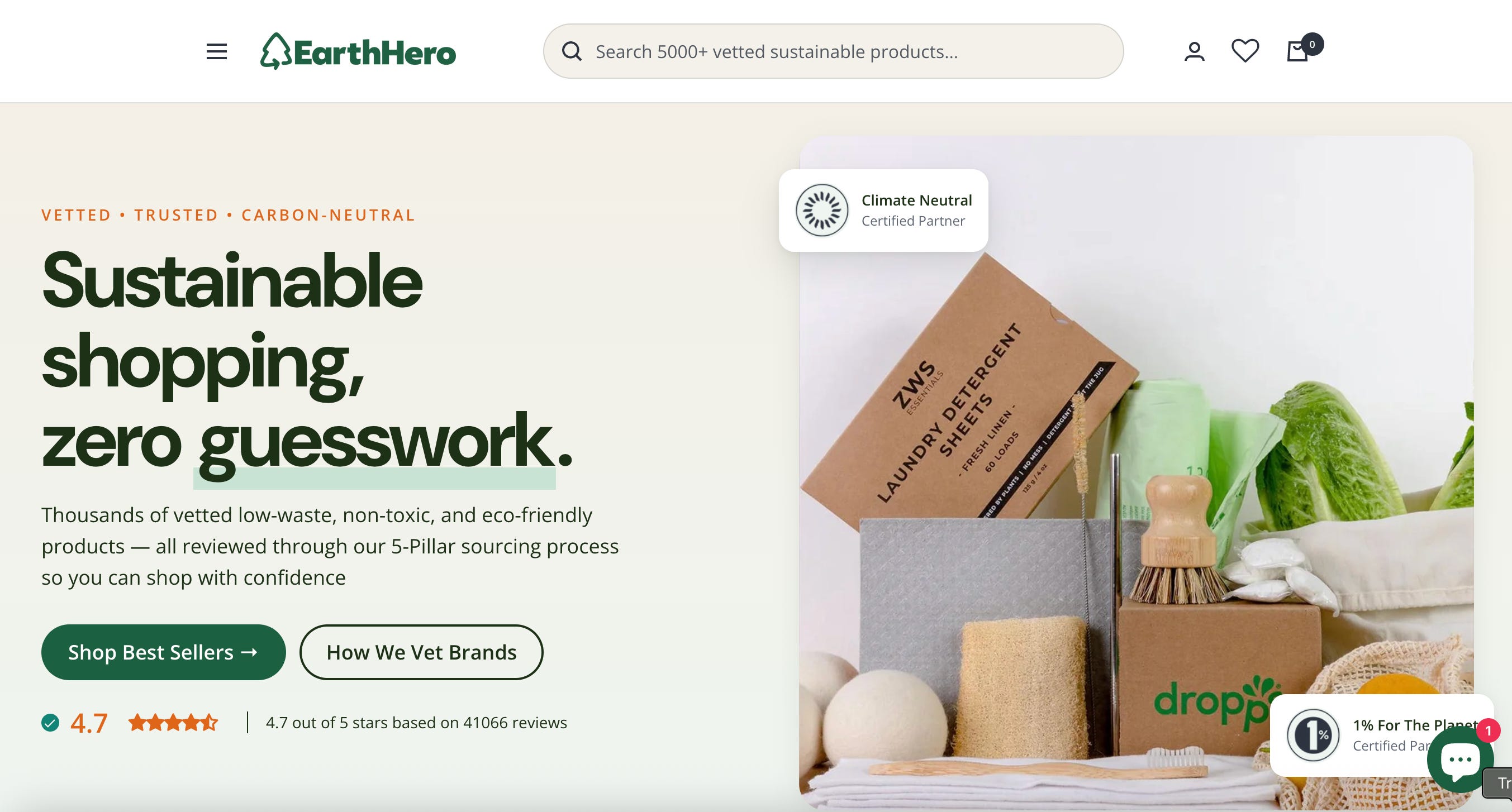
2. EarthHero
EarthHero is often described as a more sustainable version of Amazon, offering thousands of products across categories like home goods, personal care, cleaning supplies, and outdoor gear. The platform vets brands against environmental and social criteria, making it easier for consumers to discover products that align with their values without spending hours researching every purchase. While no retailer is completely impact-free, EarthHero removes much of the guesswork that can make conscious shopping feel overwhelming for consumers new to the ethical shopping movement.
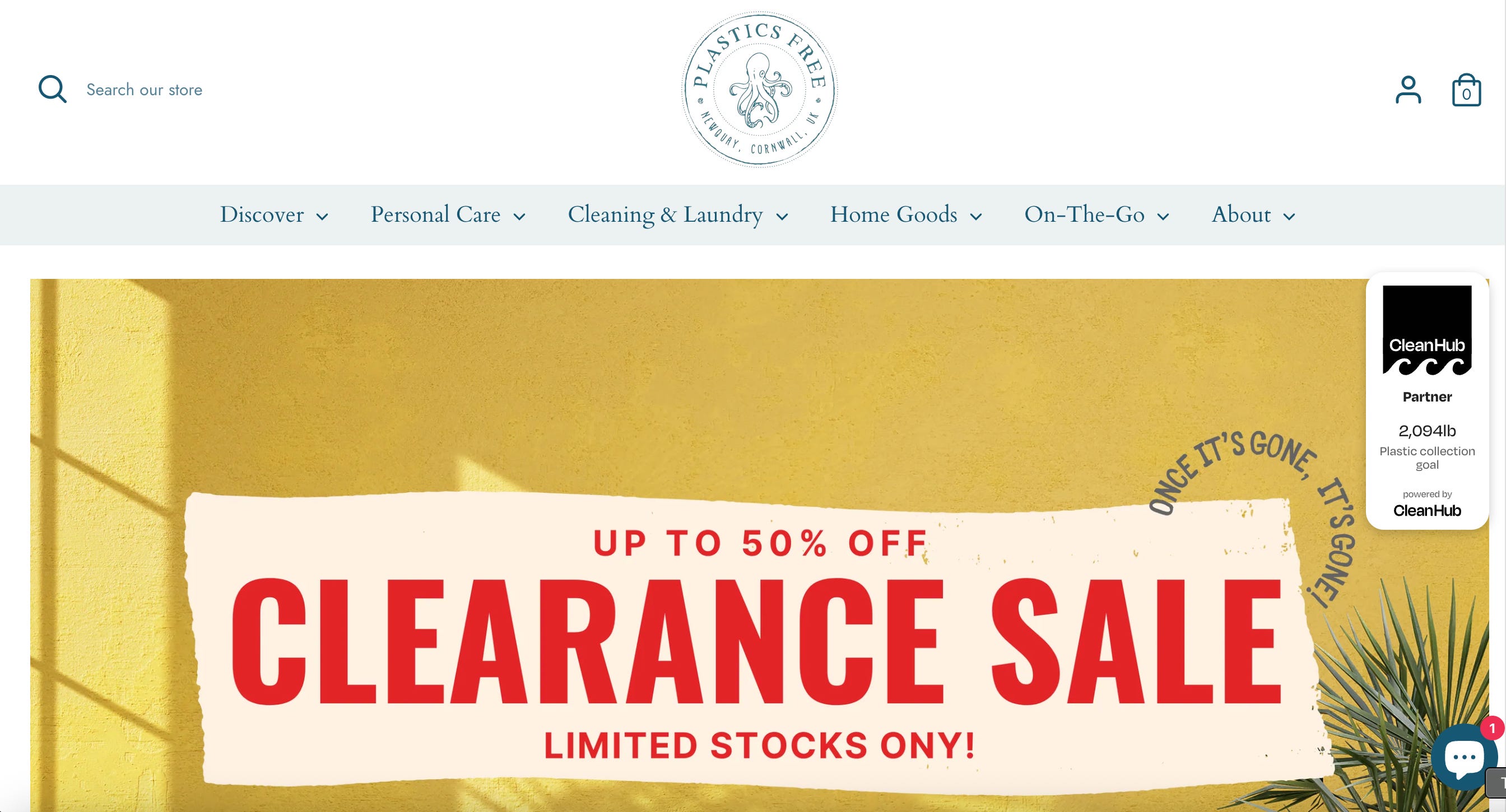
3. Plastics Free
Plastics Free is a UK-based marketplace dedicated to helping consumers reduce single-use plastic waste in their everyday lives. The shop carries a curated selection of refillable, reusable, and low-waste alternatives for the kitchen, bathroom, and beyond. Rather than encouraging consumers to buy more than they need, the platform focuses on replacing disposable items with products designed to last, making it a practical option for those looking to lower their overall household waste.
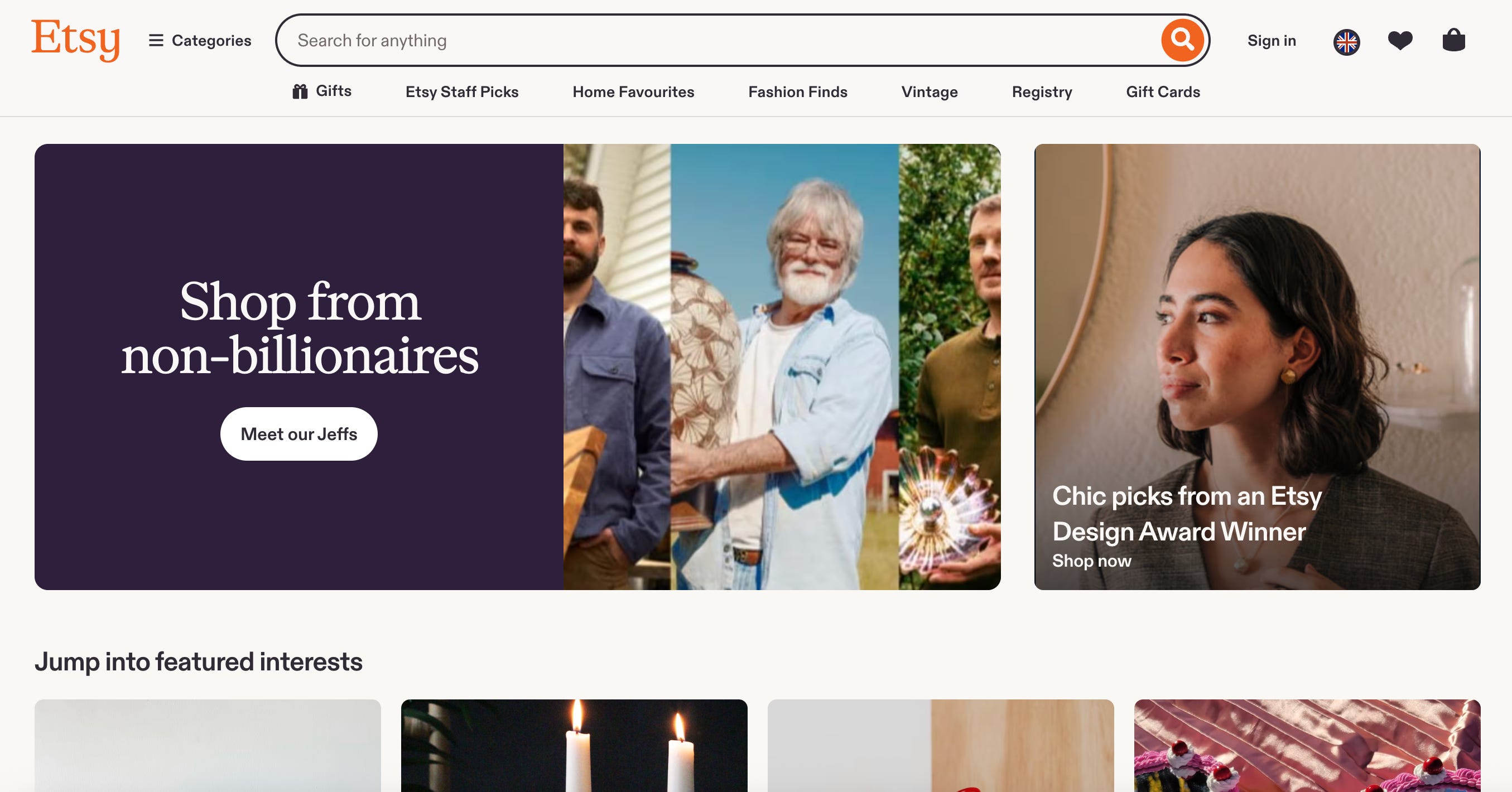
4. Etsy
Etsy connects consumers directly with independent artists, makers, and vintage sellers around the world. While the platform isn't without its challenges, including concerns about mass-produced products appearing alongside handmade goods, it remains one of the easiest ways to support small businesses online. Taking a few extra moments to review seller information and product details can help consumers discover truly unique items while keeping more money in the hands of independent entrepreneurs.
5. Bookshop.org
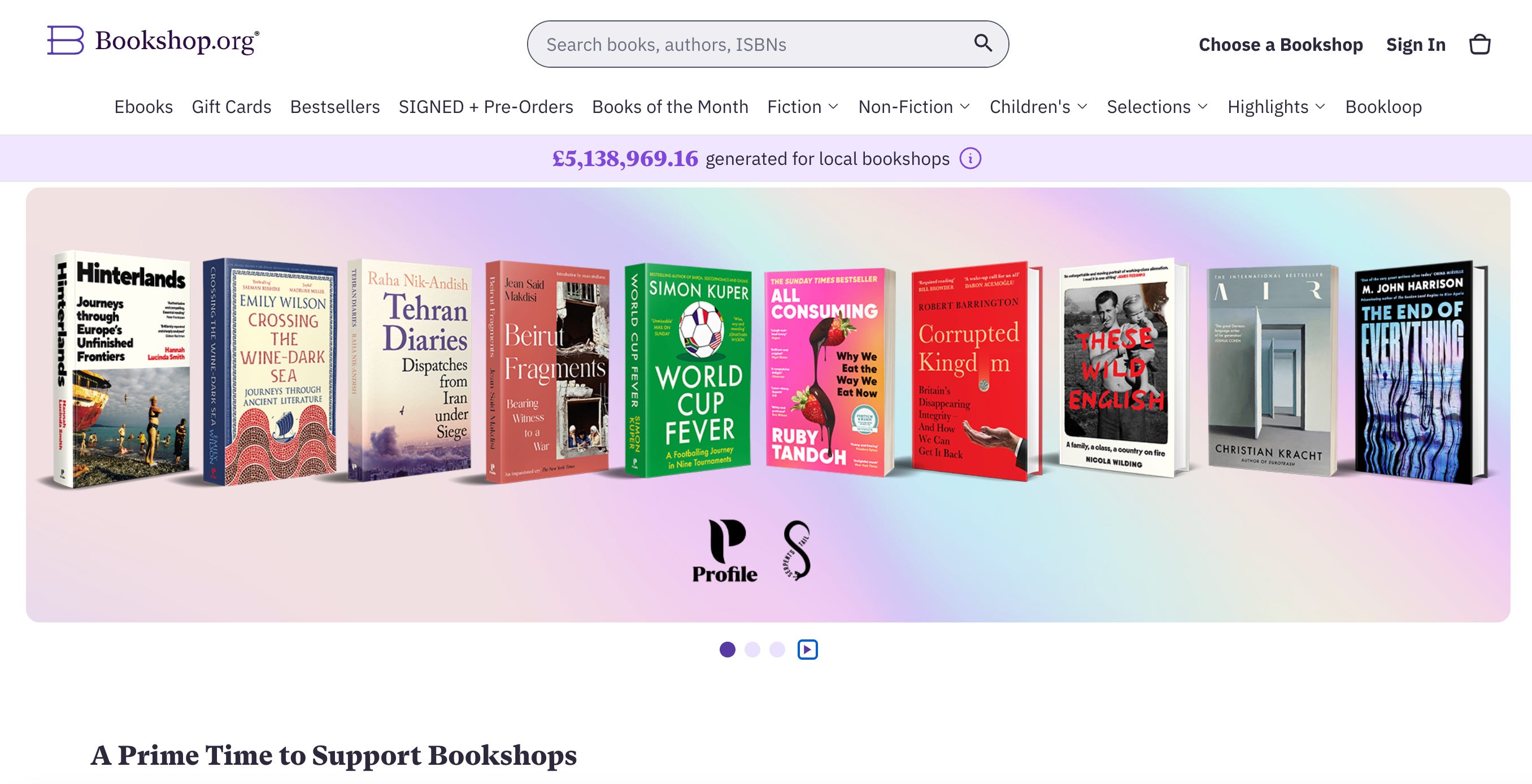
Bookshop.org was created to help independent bookstores compete in an increasingly Amazon-dominated market. Every purchase contributes 10% of profits to local bookstores, either through direct selection or a shared earnings pool that supports participating shops. For readers who want the convenience of online ordering and e-book options without contributing to Amazon's growing control over the book industry, Bookshop.org offers a simple and meaningful alternative. *Disclosure: We are an affiliate of Bookshop.org, where your purchases support local bookstores. We will earn a commission if you click through our store and make a purchase.
6. Credo Beauty
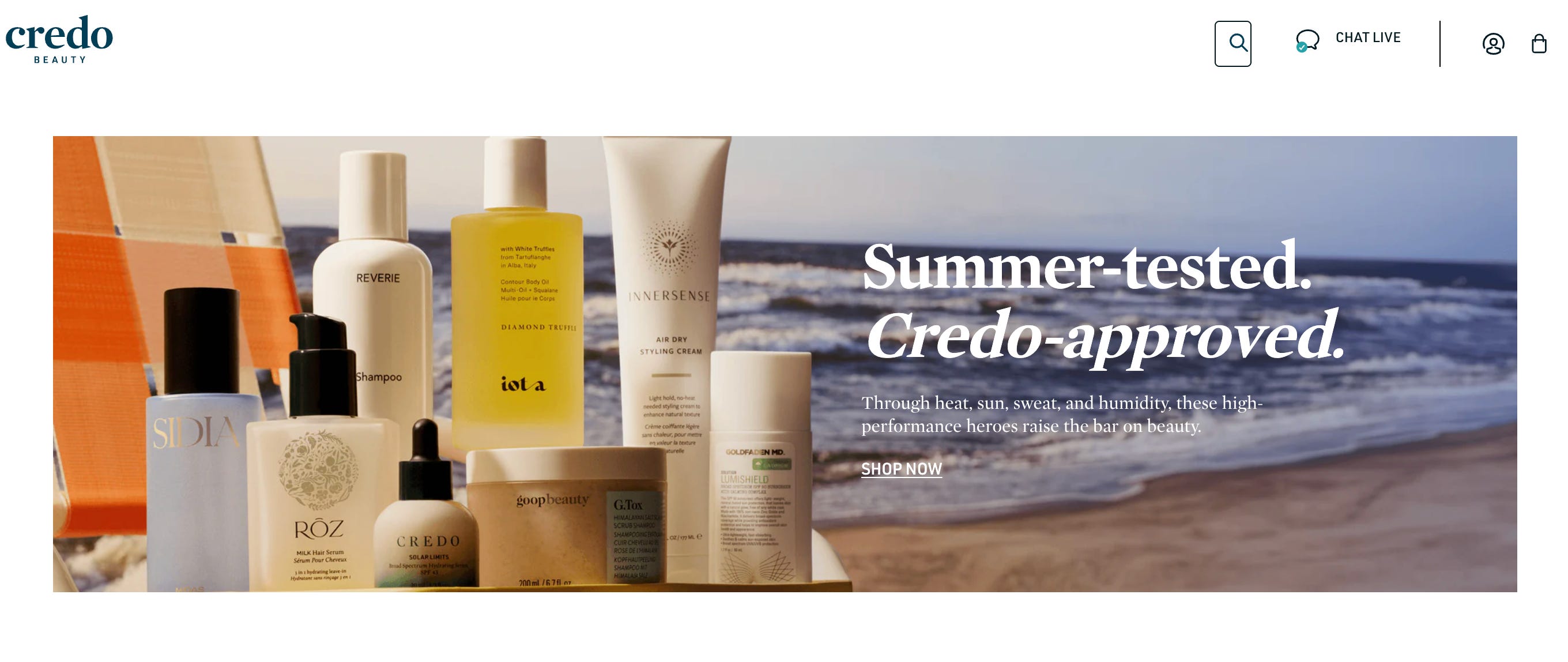
Credo Beauty is one of the largest clean beauty retailers in North America, carrying skincare, makeup, and personal care products that must meet the company's ingredient standards. Beyond product selection, Credo has pushed for greater transparency around beauty formulations and packaging. While consumers should always do their own research and avoid assuming that "clean" automatically means sustainable, Credo provides a more curated shopping experience than traditional beauty marketplaces, especially with their Dirty List.
7. ThredUp
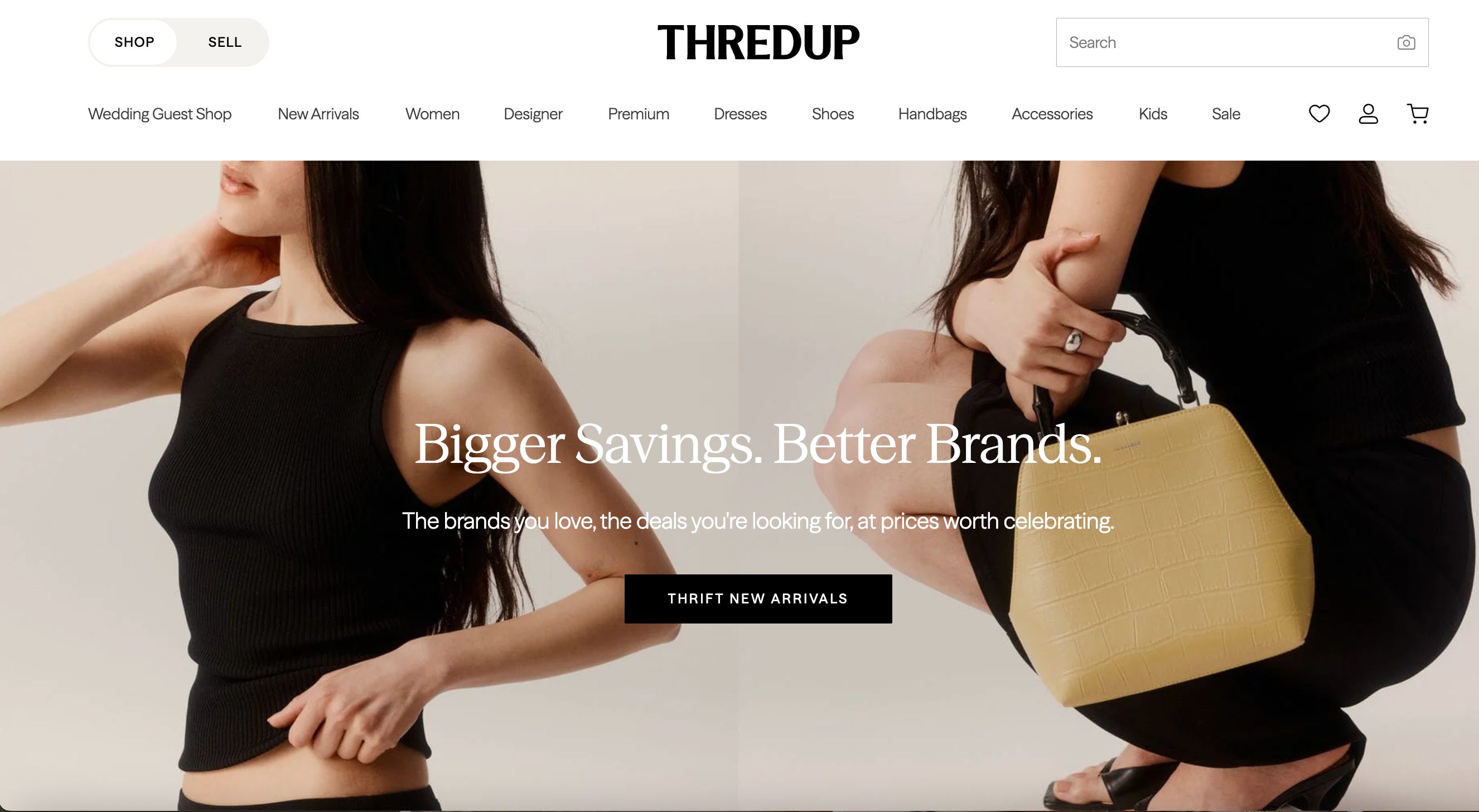
ThredUp is one of the world's largest online resale platforms, making secondhand shopping more accessible to consumers who may not have local thrift stores nearby. The platform allows shoppers to extend the life of clothing that already exists rather than fueling demand for newly manufactured products. While secondhand shopping isn't a cure-all for overconsumption, purchasing pre-owned items is often one of the lower-impact ways to refresh your wardrobe.
8. Sweetwater
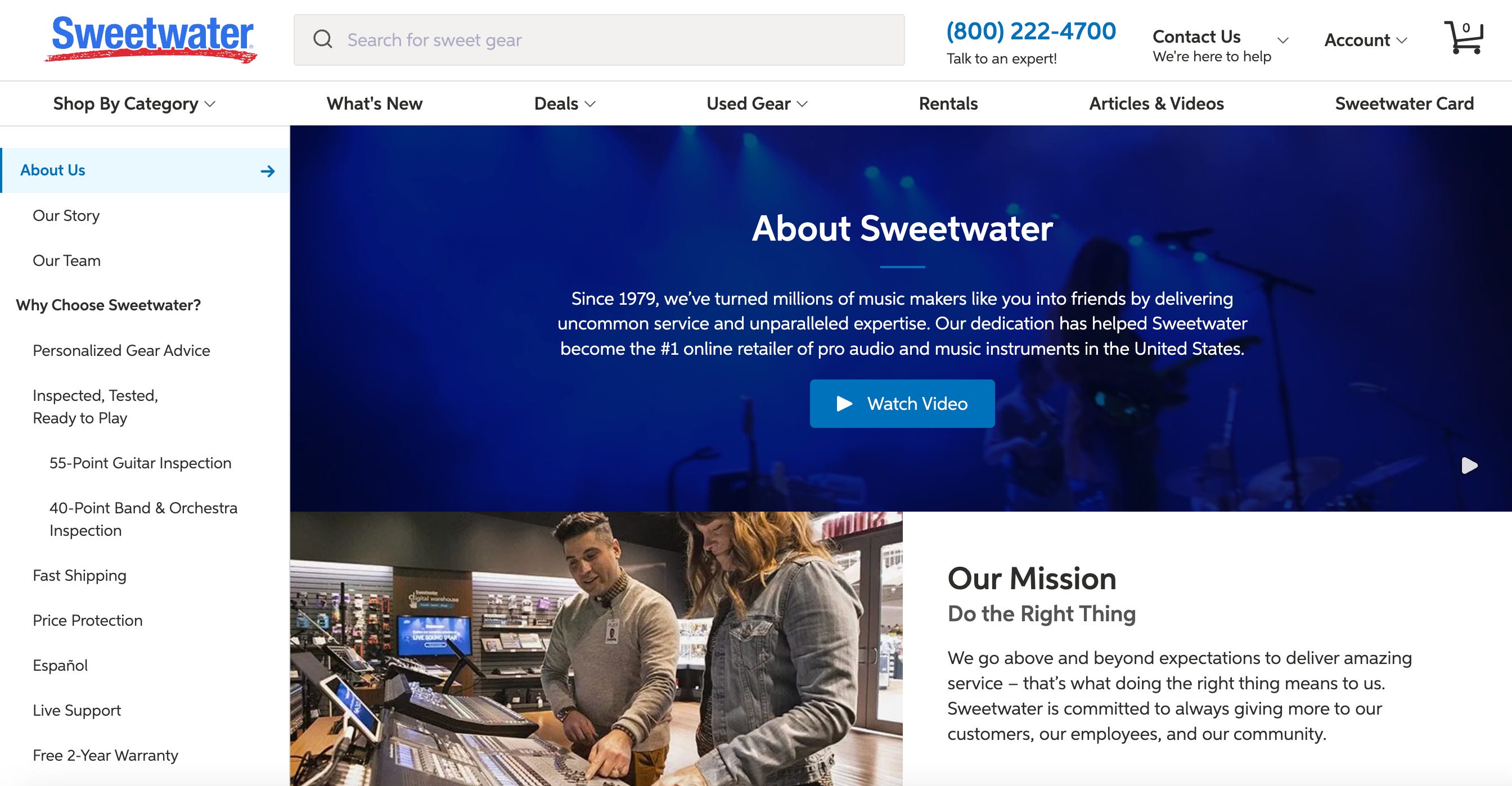
Sweetwater is a music retailer that has built a loyal following among musicians, producers, and audio professionals through customer service and specialized expertise. Unlike Amazon's one-size-fits-all approach, Sweetwater employs sales engineers who can help customers find the right equipment for their needs. For consumers shopping for instruments, recording gear, or professional audio equipment, that level of support can be far more valuable than fast shipping alone.
9. Find a Local Business
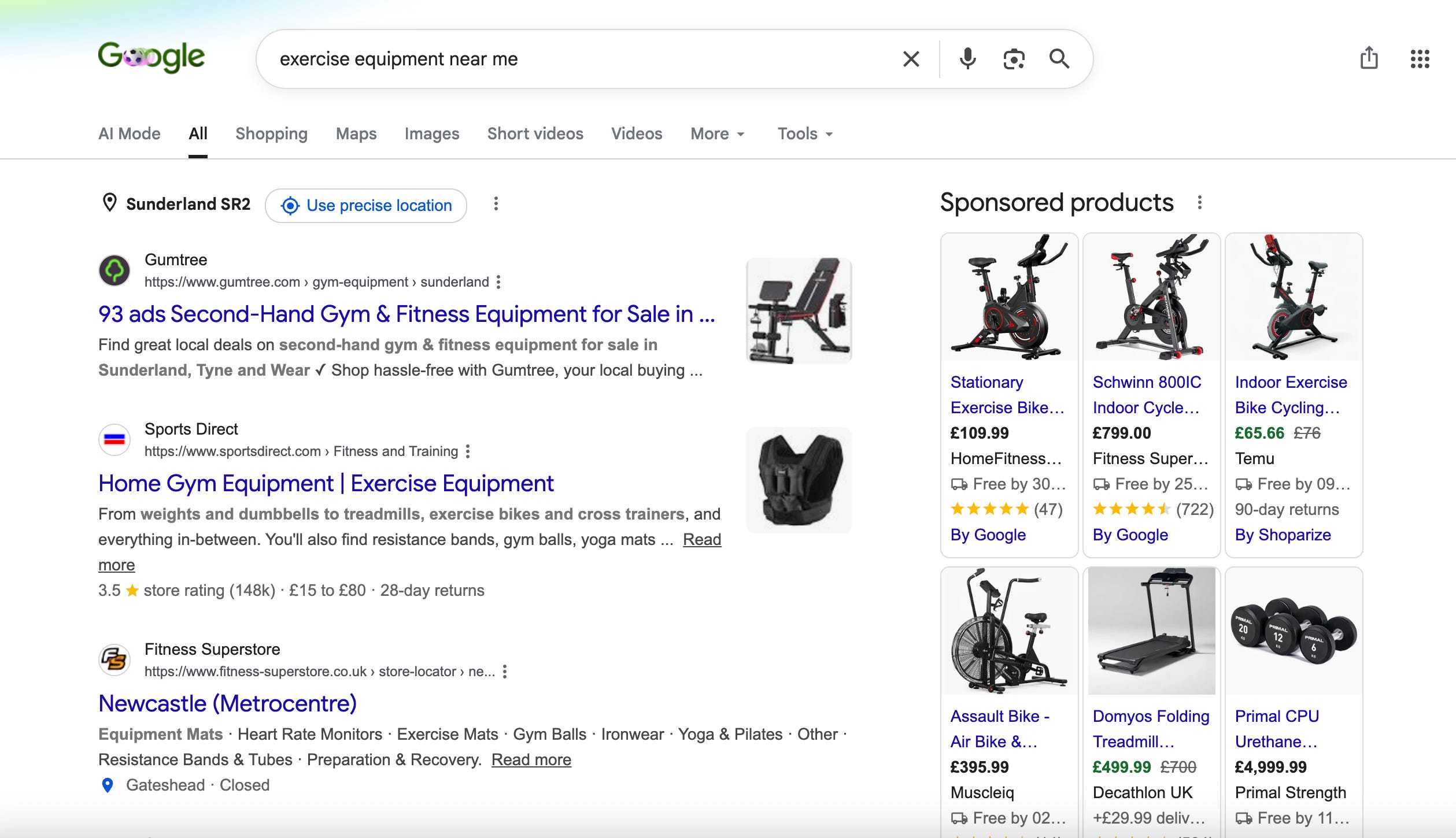
This option may take a little bit more time, but that’s exactly what we promote here: slowing down to consume consciously. Whether it’s electronics, medical supplies, or a niche antique, consumers may just find coveted items out in their community. Amazon may have convinced consumers to value one-stop shopping over shopping local, so much so that it’s like most consumers are on autopilot and automatically default to hunting down products on Amazon; it’s like modern consumers have almost forgotten there are small businesses with particular specializations that provide locals-only discounts right outside their front door. Even if it’s become second nature for consumers to log into their account to take advantage of 2-day or same-day shipping, try searching for ‘[item] near me’ instead. Consumers may find that experiencing a mini adventure in their neighborhood and learning about a town shop owner is far more rewarding.
10. Shop a Swap
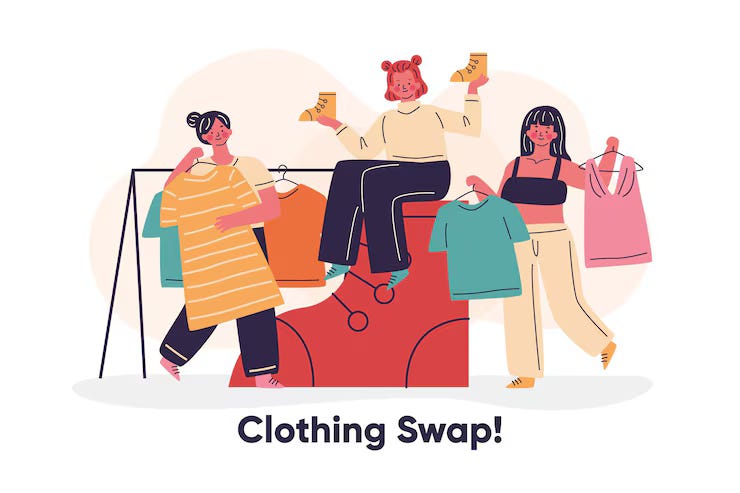
Free swaps are gaining traction as communities look for ways to reduce waste, save money, and build stronger local connections. Whether organized through neighborhood groups, libraries, community centers, nonprofits, or social media, swaps allow people to exchange items they no longer need for something they will actually use. Clothing, books, household goods, toys, and hobby supplies are especially common finds. Harkening back to the olden days of bargaining, not only do swaps keep usable products out of landfills, but they also challenge the idea that every need requires a new purchase. Sometimes the most sustainable item is the one that's already in someone else's closet, garage, or bookshelf. Try searching Eventbrite for a free swap in your area to participate in one. We promise, swaps provide an even better dopamine rush than regular thrifting.
While influencers and ads prey on our brain’s pleasure responses to making purchases and desires to shop sustainably, especially during Amazon Prime Day, it’s important to remember that the power is still in our hands as consumers. We aren’t slaves to a wasteful, shameless monopoly; on the contrary. We can choose to make kinder, more ethical buying decisions by shifting our minds to slow down long enough to consider better alternatives.
If you liked this story, you might also be interested in these:


