
Everlane's SHEIN Acquisition and Allbirds' Store Closures Reveal a Bigger Problem in Sustainable Fashion
For years, these brands symbolized the future of ethical fashion. Now, their latest headlines are forcing consumers to ask what comes next.

Time to Read: 4 min
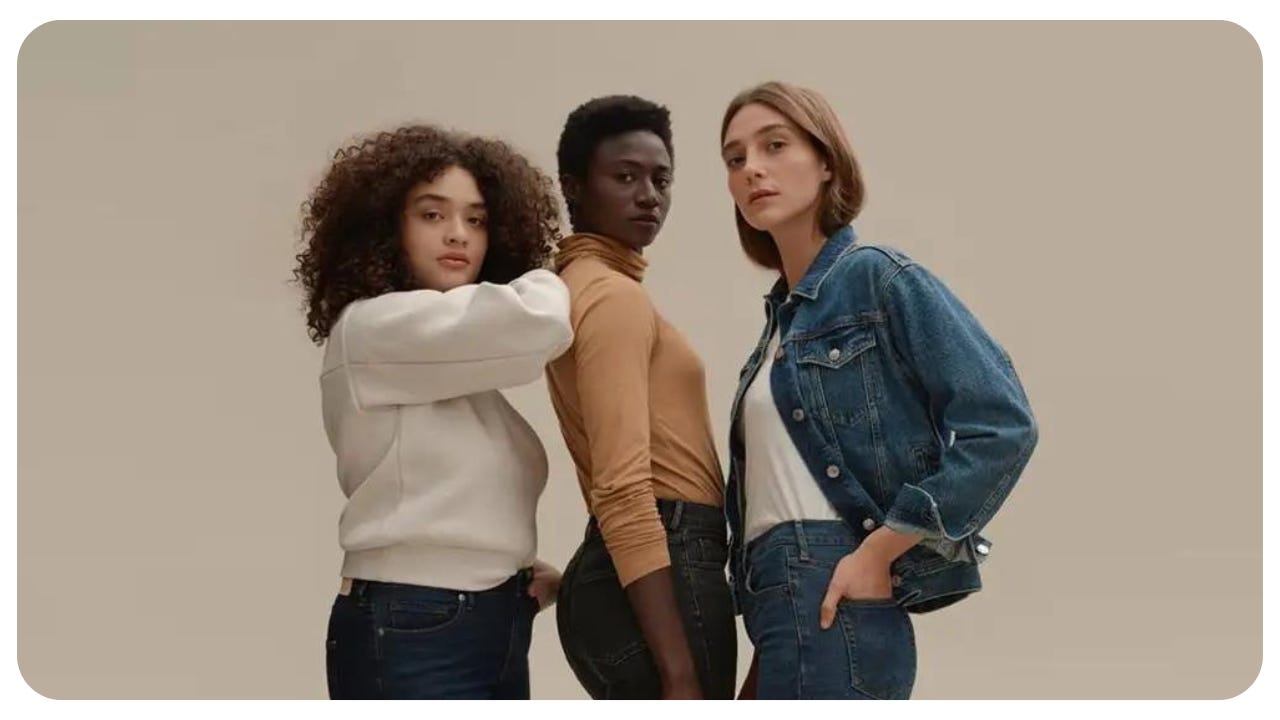
Over the last few months, two major stories have sent shockwaves through the sustainable fashion community. First, Allbirds announced the closure of its U.S. retail stores earlier this year. Then, Everlane (one of the original “ethical fashion” brands) was acquired by SHEIN. On their own, these might seem like isolated business decisions. But together, they raise a much bigger question: Is sustainable fashion in crisis or facing a turning point?
Let’s talk about why these stories matter, what they reveal about the state of the industry, and what conscious consumers should be paying attention to next:
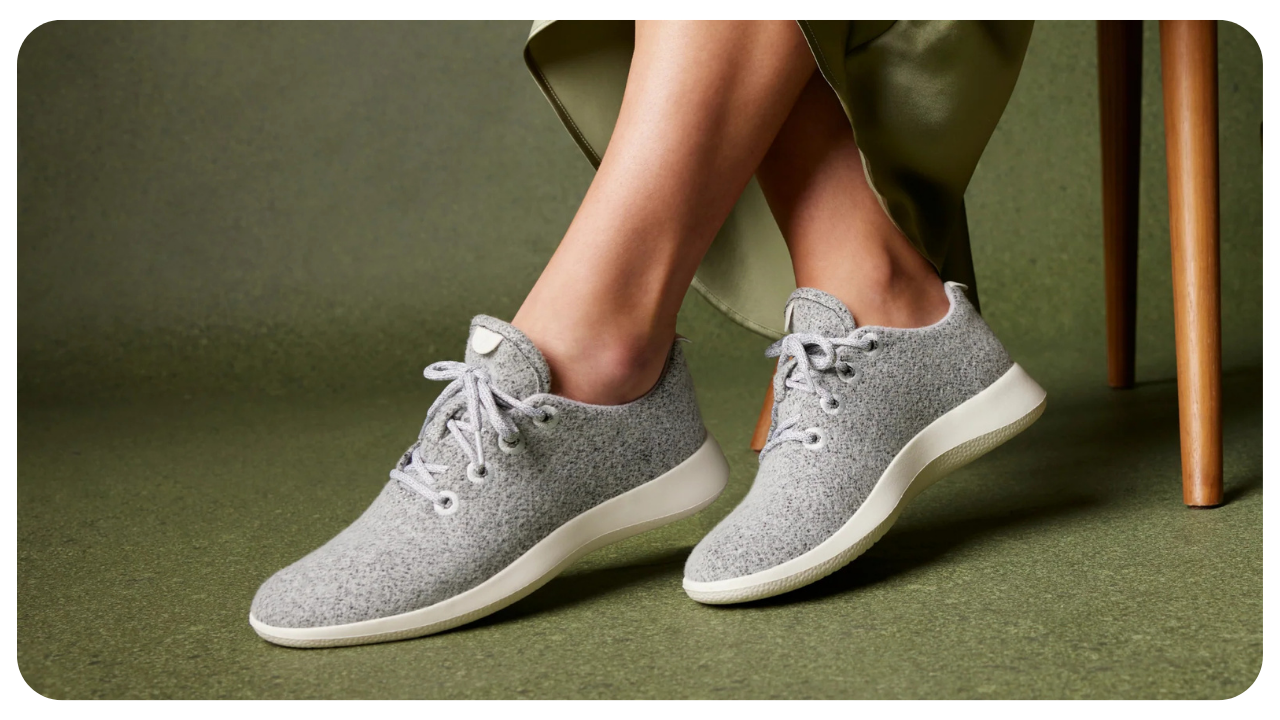
The Allbirds Shutdown
Allbirds became one of the most recognizable sustainable footwear brands in the world. They had a clear identity, strong brand recognition, and successfully introduced many consumers to the idea that sustainability and mainstream fashion could coexist.
So when we hear about store closures, it catches our attention. But what’s interesting is that this isn’t happening in isolation. For years, smaller sustainable brands have quietly struggled. Some have downsized. Some have moved to online-only operations. Others have closed entirely. The difference is that many of those stories never received the same level of media attention.
Now we’re seeing the same challenges of higher manufacturing and material costs affecting brands that were once considered success stories. And that should make us pause.

The Everlane Sellout
And then, there’s Everlane. If you’ve been around sustainable fashion for a while, you know Everlane was one of the brands that helped introduce ethical fashion to mainstream consumers. They built their reputation around the idea of “radical transparency.”
Their marketing focused on showing customers how much products cost to make, how much they were marked up, and why they believed their pricing was fair. Over time, Everlane became a gateway brand for many people who were trying to move away from fast fashion. For years, they were especially known for basics, denim, and capsule wardrobe staples. But if you’ve followed the brand closely, you’ve probably noticed that consumers have been questioning product quality in recent years, including us.
If you read our in-depth review of Everlane’s Perform Activewear Collection, that’s one reason why this acquisition didn’t completely surprise us. When a company gets acquired, consumers naturally wonder:
Will the quality change?
Will the mission change?
Will the values that built the brand survive?
These are the same questions people ask whenever a beloved niche brand is purchased by a much larger corporation. The concern isn’t necessarily the acquisition itself. The concern is what happens afterward.
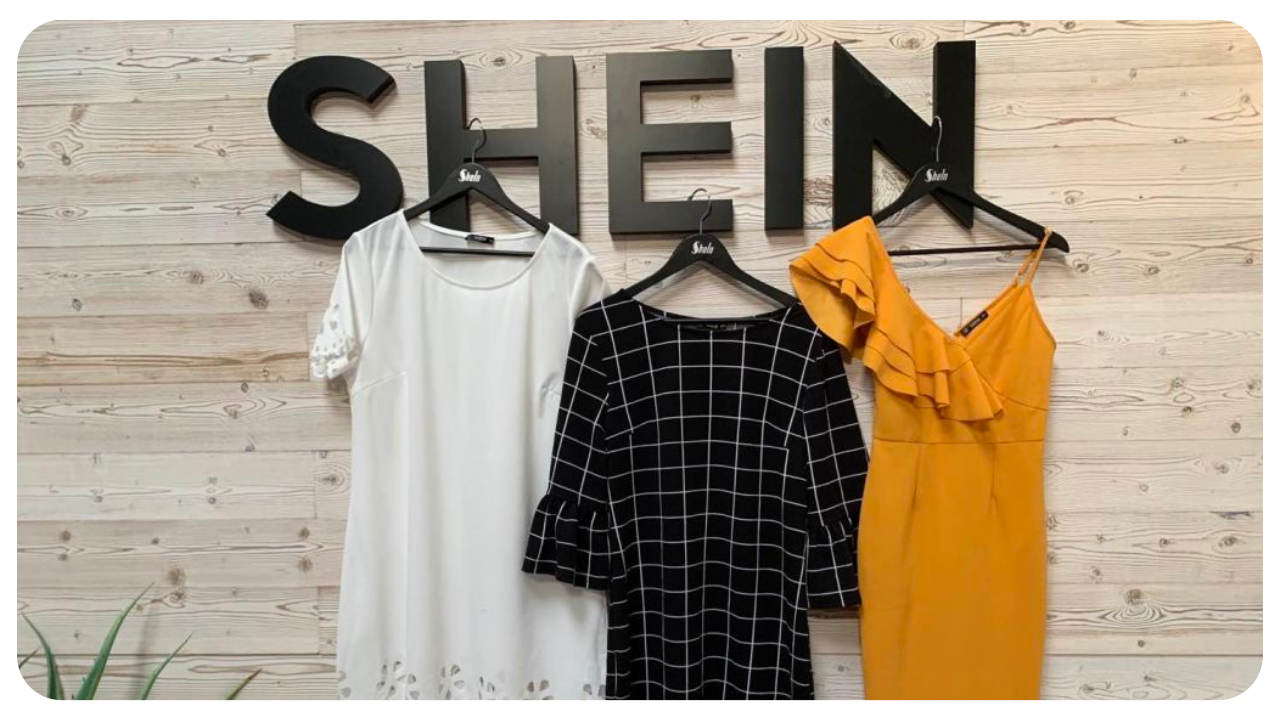
The Bigger Problem
Both stories point to a larger issue: Consumer needs have changed. Five or ten years ago, many consumers were primarily motivated by a brand’s mission. People wanted to know where products were made, who made them, how workers were treated, and whether brands aligned with their values.
Those questions still matter, but today, consumers are facing a very different economic reality. Many households are dealing with higher costs, tighter budgets, and more financial uncertainty. As a result, value matters more than ever, and that’s where many sustainable brands are struggling. Even consumers who care about ethics often have to make practical purchasing decisions.
A brand’s mission may inspire someone, but inspiration alone doesn’t always justify paying two or three times more for a product… at least, not in today’s economic climate.
What Sustainable Brands Need to Do Next
This isn’t the downfall of sustainable fashion; far from it! We’re entering a period of adaptation. This may open the door to other brands and retailers thinking they can pull a fast one on us all, but they’re going to be in for a rude awakening. Consumers still care about sustainability, but they want more than a good story and webpage rambling off conscious buzzwords: they want value, transparency, and increasingly, they want proof.
If Shein starts to claim it’s ethical after this acquisition, consumers and monitoring organizations will want receipts. If brands like Shein start bailing out sustainable retailers to claim they’re sustainable, consumers and monitoring organizations will want evidence. If questionable brands claim they’re improving worker conditions, consumers and monitoring organizations will want reporting and accountability. The era of making broad claims without backing them up is coming to an end. And honestly, that’s a good thing. The brands that survive will likely be the ones that combine sustainability with affordability, transparency, quality, and convenience.
The Everlane acquisition and the Allbirds store closures may look like separate news stories, but they’re more connected than some may think. Both reveal how difficult it has become for sustainable brands to grow, compete, and remain financially viable in today’s economy. The movement itself isn’t disappearing, but the business model needs to evolve.
If you liked this story, you might also be interested in these:


