
A Decade Later: How the Sustainable Fashion Movement Evolved
From emotional storytelling to radical transparency, ethical fashion has quietly transformed over the past decade—here's what today's conscious consumers expect.

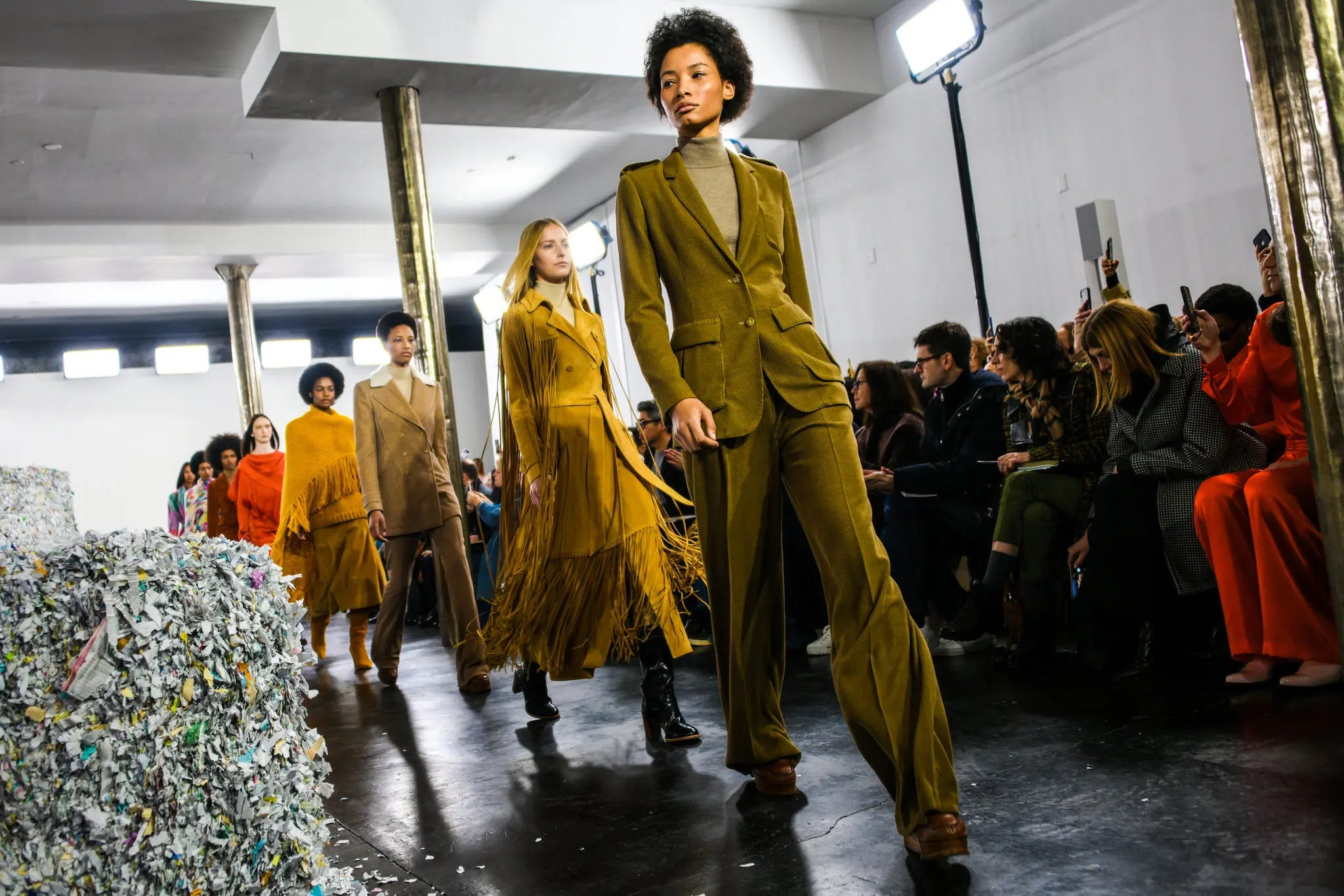
In 2015 and 2016, rumbles of the sustainable fashion movement started to grow into a quiet revolution. Fashion designers and independent shops started appearing in some of the world’s most diverse and liberal cities in response to the 2015 The True Cost documentary, which detailed the collapse of the Rana Plaza garment factory in Bangladesh on April 24th, 2013, that killed 1,134 garment workers and injured many more. It was an all-hands-on-deck, grassroots response, giving rise to podcasts like Conscious Chatter and blogs like Sustainably Chic. The goals and calls to action were different back then; however, some of the pioneers at that time remain today. They’ve been able to transform with the times while others have struggled to stay afloat. Here are the trends we noticed after observing the movement for the past eleven years:

Transparency is the New Marketing Strategy
When the sustainable fashion movement started, there was a push to over-explain mission by leaning into emotional storytelling. Initially, it was the way to stand out as a brand, getting consumers to connect to a brand’s “why” as buy-in. Unfortunately, this kind of emotional storytelling isn’t enough anymore for modern-day consumers.
Consumers have different economic needs now, with rising inflation rates and tariffs. These additional costs aren’t just harming small businesses, but they’re also being passed on to consumers. Consumers are focused on saving now more than ever; so, it’s going to take a lot more than a promising mission to get consumers to invest in higher-quality, more expensive pieces. Additionally, they want to see proof of brands’ claims before making such a high-priced investment.
Gone are the days when buzzwords convinced consumers to shop sustainably. Consumers have become more savvy and are aware of the different elements that go into sustainable fashion. For example, they want more transparency about the supply chain, factory locations and conditions, certifications, impact reports, and what happens to unused or damaged clothing. The UK and France passing the Ultra-Fast Fashion Legislation shows just how serious world leaders and consumers are taking conscious consumption, transparency, and waste reduction. The demands of the people are finally picking up traction, so brands and online-only shops should get on board now rather than waiting until the last minute to figure out how they’re going to address the changing landscape. They have to start leaning into marketing their plans to address this new legislation, materials used, traceability, factory partnerships, and waste reduction efforts if they haven’t already.

Circularity is the New Mission
In addition to true transparency becoming the new marketing strategy, circularity has become the new mission. The “why” behind brands needs to shift from reciting their mission-based elevator pitch to every customer to explaining how they’re closing the loop on a product’s entire lifecycle. The easiest way for sustainable retailers to do this is to offer in-house reselling programs and/or rental options.
We’ve seen several clothing rental options pop up, such as Nuuly, which addresses the need to rent youthful, quirky, thrift-like finds at an affordable monthly rate ($70 for the first month; $98 for every month after). If consumers like particular items out of the six they choose to receive per month, then they can purchase them and send the rest back. We’ve also seen brands like Outerknown provide a pre-owned shopping space directly on their website, which rewards consumers with shopping credit in exchange for their pre-loved pieces.
This not only meets consumers’ ever-changing financial needs, but also addresses the big bad crimes of the fashion industry: waste and pollution. By shifting the mission to focus on circularity, brands can shape the future of fashion for consumers and the environment. For consumers, their approach to shopping would shift toward reusability instead of seasonality. For the environment, the chances of clothes sitting in landfills and on coastlines would significantly decrease, as well as reducing the need to restart the production cycle.

Creating Community is the New Core Value
As the hype around sustainable fashion shifts to circularity, we’ve noticed that community-building has become the new core value. Initially, pop-up shops and tabling at local marketplaces were the go-to for small, ethical retailers back in 2015. However, after attending Sustainable Fashion Week Chicago in April, we had a moment of realization that hosting people-forward excursions is the new way brands and designers are opting to build community. This includes community-based fashion shows, clothing swaps, livestreams, newsletters (like The Good Trade’s Substack community, called The Weekend Edit), columns, forums, etc.
These types of events encourage consumers to learn more about fabrics, what goes into making conscious clothing lines, mending instead of discarding, local resources for mutual aid donations, ethical discarding, etc. They show that profit isn’t the only motive and that others in consumers’ areas are genuinely interested in making a positive impact, too. It’s not only the best way to build positive brand recognition, but it’s also the best way to create a longer-lasting butterfly effect by activating engaged community members to spread the word about sustainable fashion practices and alternatives.
It’s our firm belief that if fair fashion brands refuse to shift with these consumer needs and interests, then they’ll continue to see a dip in sales or may have to close their doors altogether.
If this all sounds new or confusing to you, we recommend reading these stories:


